
Translator: Thomas Summers
Language pair: English → Kiswahili
Original publication: 1988
Genre: Children’s literature
Word count of excerpt: 474 words
This translation was produced for educational and research purposes. The excerpt is reproduced for criticism and discussion. Copyright in the original work remains with the rights holder.
Sura ya Kwanza
Msomaji wa Vitabu
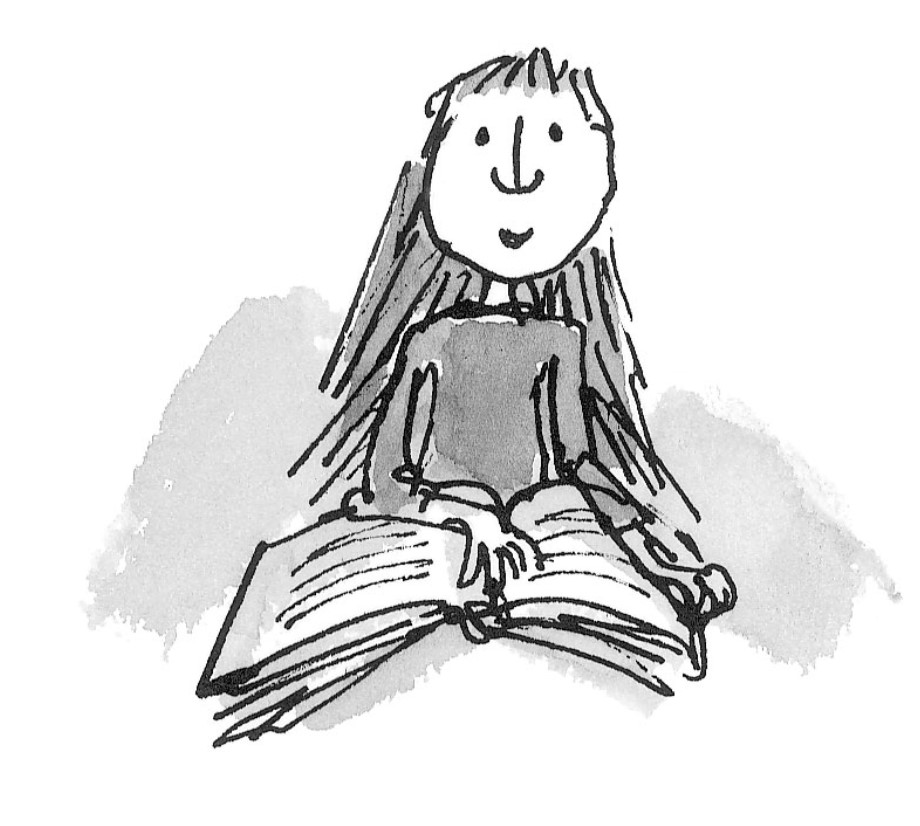
Kuna kitu cha kupendeleza kuhusu wazazi. Hata mtoto wao anapokuwa kama uvimbe wa kuchukiza zaidi unavyoweza kufikiria, bado wanaamini ni wa ajabu.
Wazazi wengine huenda mbali zaidi. Huonekana vipofu na waabudu kupita kiasi hadi wanajishjawishi kwamba mtoto wao ana kipaji maalum.
Kwa kweli, si kosa kubwa. Ndivyo ilivyo dunia. Lakini wazazi hawa wanapoanza kutuambia kuhusu akili ya ajabu ya watoto wao, tunaanza kupiga kelele “Leteni ndoo! Tutatapika!”
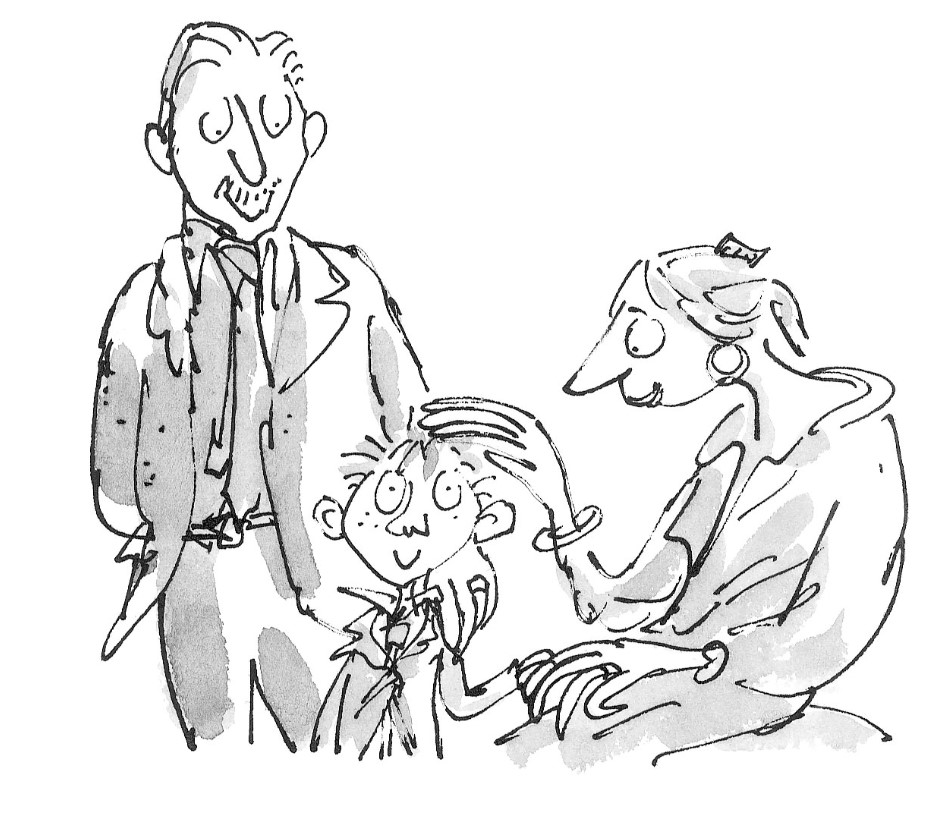
Walimu wa shule huvumilia sana kusikiliza upuuzi wa aina hii kutoka kwa wazazi wanaojivunia, lakini hujilipizia kisasi kidogo wakati wa kuandika ripoti za mwisho wa muhula. Kama ningekuwa mwalimu, ningebuni kejeli kali kwa watoto wa wazazi wanaowapenda kupindukia. “Mwana yenu, Maximilian,” Ningeandika, “Ni bure kabisa. Ninatumaini mna biashara ya familia mnayoweza kumlazimisha aingie anapotoka shule kwa sababu hakika hatapata kazi popote pengine.” Ama kama ningejisikia mshairi siku hiyo, labda ningeandika “Ni kweli ya kushangaza kwamba panzi huna viungo vya kusikiliza zao juu ya kichwa chake bali pembeni mwa fumbatio. Kwa kuzingatia kile binti yenu Vanessa amejifunza muhula huu, kweli hii peke yake linaonekana kuvutia zaidi kuliko chochote nilichomfundisha darasani.”
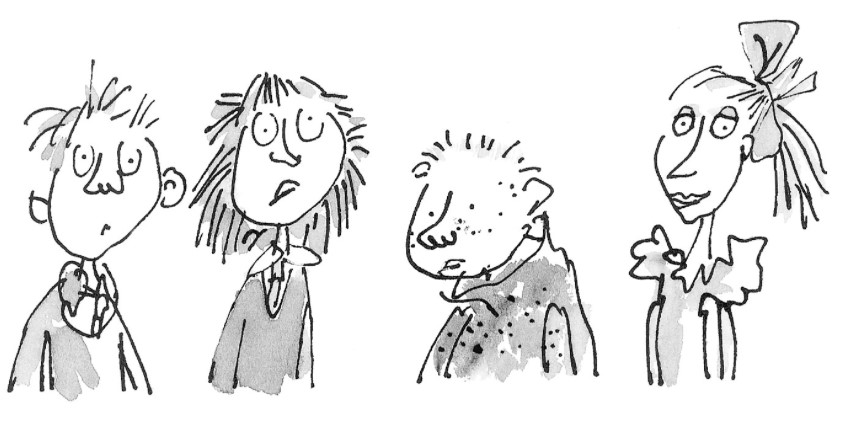
Pengine ningechungua chini katika historia ya asili na kusema “Kibunguliko hupitisha hata miaka mitatu kama funza chini ya ardhi, na wiki chache tu kama kiumbe huru katika mwanga wa jua na hewa. Mwana wenu Wilfred amekaa miaka sita kama funza shuleni humu na bado tunasubiri atoke katika kokononi.” Labda msichana mdogo mwenye sumu hasa angenichokoza niseme, “Fiona ana uzuri baridi mmoja wa kisiwa cha theluji, lakini tofauti na kisiwa cha theluji hana chochote kilicho chini ya uso wake.”
Ninadhani ningependa kuandika ripoti za mwisho wa muhula wa wachokozi darasani kwangu. Lakini hayo yanatosha. Tunahitaji kuendelea.
Mara chache unakutana na wazazi wanaofanya kinyume, wasio na maslahi hata kidogo kwa watoto wao, na bila shaka wazazi hawa ni wabaya zaidi sana kuliko wale wanaowapenda kupindukia. Bwana na Bi Mti-mbovu walikuwa wazazi kama hao. Walikuwa na mwana aitwaye Michael na binti aitwaye Matilda, na wazazi wake walimchukulia Matilda kama kigaga tu. Kigaga ni kitu unachovumilia tu mapaka wakati wa kukiparua na kukirusha mbali. Bwana na Bi Mti-mbovu alingojea kwa hamu sana wakati wa kumuondoa binti mdogo wao na kumrusha mbali, ikiwezekana hadi mkoa mwingine au hata mbali zaidi ya hapo.
Chapter One
The Reader of Books
It’s a funny thing about parents. Even when their own child is the most disgusting little blister you could ever imagine, they still think that they are wonderful.
Some parents go further. They become so blinded by adoration they manage to convince themselves their child has the qualities of a genius.
Well, there is nothing very wrong with all this. It’s the way of the world. It is only when the parents begin telling us about the brilliance of their own revolting offspring, that we start shouting, “Bring us a basin! WE’RE GOING TO BE SICK!”
School teachers suffer a good deal from having to listen to this sort of twaddle from proud parents, but they usually get their own back when the time comes to write the end-of-term reports. If I were a teacher I would cook up some real scorchers for the children of doting parents. “Your son Maximilian,” I would write, “is a total washout. I hope you have a family business you can push him into when he leaves school because he sure as heck won’t get a job anywhere else.” Or if I were feeling lyrical that day, I might write, “It is a curious truth that grasshoppers have their hearing organs in the sides of their abdomen. Judging by what your daughter Vanessa has learnt this term, this fact alone is more interesting than anything I have taught in the classroom.”
I might even delve deeper into natural history and say, “The periodical cicada spends six years as a grub underground, and no more than six days as a free creature of sunlight and air. Your son Wilfred has spent six years as a grub in this school and we are still waiting for him to emerge from the chrysalis.” A particularly poisonous little girl might sting me into saying, “Fiona has the same glacial beauty as an iceberg, but unlike the iceberg she has absolutely nothing below the surface.”
I think I might enjoy writing end-of-term reports for the stinkers in my class. But enough of that. We have to get on.
Occasionally one comes across parents who take the opposite line, who show no interest at all in their children, and these of course are far worse than the doting ones. Mr and Mrs Wormwood were two such parents. They had a son called Michael and a daughter called Matilda and the parents looked upon Matilda in particular as nothing more than a scab. A scab is something you have to put up with until the time comes when you can pick it off and flick it away. Mr and Mrs Wormwood looked forward enormously to the time when they could pick their little daughter off and flick her away, preferably into the next county or even further than that.
Translator’s Commentary
The principal aim of this translation was to preserve Roald Dahl’s distinctive narrative voice while producing a text that reads naturally in contemporary Tanzanian Kiswahili. Rather than translating word-for-word, I sought to recreate the tone, humour and conversational style of the original, prioritising the experience of the target-language reader over close adherence to English syntax. This approach is particularly important in children’s literature, where readability and narrative flow are as significant as lexical accuracy.
Several passages required idiomatic rather than literal translation. Expressions such as “get their own back” and “Bring us a basin! We’re going to be sick!” have no direct equivalents in Kiswahili, so natural expressions were chosen that evoke a similar response from readers. Likewise, words such as twaddle, washout and scab demanded careful consideration, as they carry strong connotations in English but lack precise lexical counterparts in Kiswahili. In each case, the translation prioritises preserving the force and function of the original rather than reproducing individual words.
One particularly significant decision concerned the family name Wormwood. In English, the name functions as a transparent piece of characterisation, immediately suggesting unpleasantness, bitterness and decay. Simply retaining Wormwood would preserve the original name but lose much of this effect for Swahili readers. I therefore chose Mti-mbovu (“rotten tree”), a name intended to evoke similarly negative associations while remaining immediately meaningful within the target language. Although it is not a literal translation, it seeks to reproduce the literary function of the original by signalling the family’s disagreeable nature from their very first appearance.
Throughout the translation, I aimed to use standard Tanzanian Kiswahili that would be accessible to a broad readership while retaining the playful and often exaggerated style characteristic of Dahl’s writing.


Leave a Reply