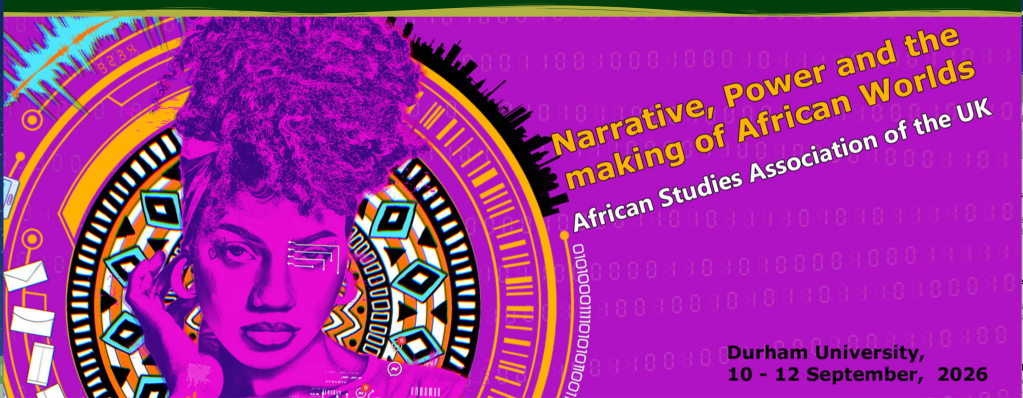
As part of the project that led to this blog (which is still under construction) Carmen McCain, Ida Hadjivayanis, and Wangui wa Goro have put together a call for abstracts to contribute to a stream at the African Studies Association UK conference to be held at Durham University, 10-12. The final deadline for submission is May 22. We hope you will join us for the conversation.
Copied below is the call for papers and instructions on how to submit:

Questions of Literary Translation and Translation Infrastructure in Africa
Convenors: Carmen McCain, Ida Hadjivayanis and Wangui wa Goro
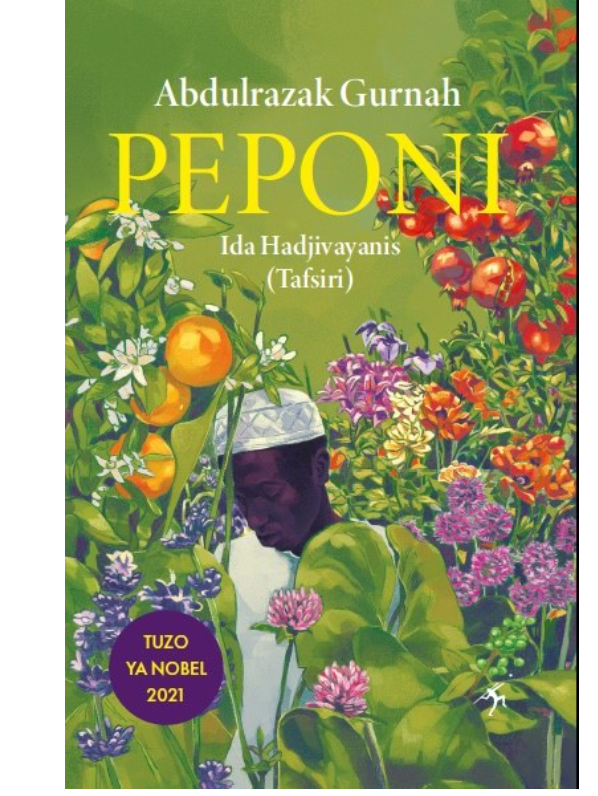
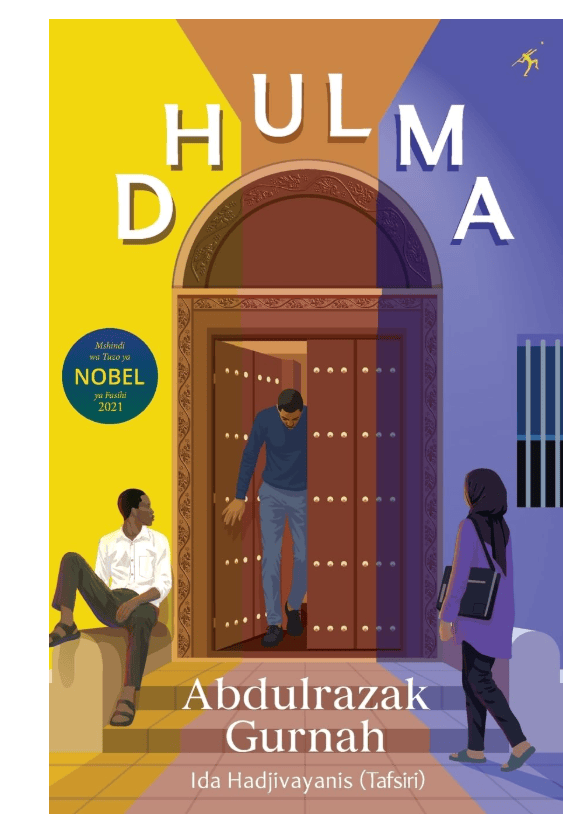
In the past decade and a half there have been several efforts to promote literary translation into and out of African languages, from the Jalada special issues seeking translations of a short story by Ngugi wa Thiong’o into over 100 languages and over 50 translations of a poem by Wole Soyinka, to the Cassava Republic Valentine’s Day issue where love stories from English were translated back into the author’s language of origin, to more recent initiatives such as Zukiswa Wanner’s African Translation Project focusing on translations of southern African languages into English and the University of Georgia Press African Language Literatures in Translation series. In Tanzania, Mkuki na Nyota publishers has invested in translations of African literature, such as the works of Nobel-prize winning author Abdulrazak Gurnah into Swahili. At SOAS, as part of a project funded by the ISPF ODA fund, we are working on conversations between Swahili and Hausa as two of the largest literary languages in Africa. Although both languages have large archives of literary activity, of the tens of thousands of Hausa novels, there are fewer than ten translations of novels into English, and while translation out of Swahili is slightly healthier, it is still surprisingly low considering the number of literary productions. This paucity of translation is indicative of larger problems in African literary translation training, funding, publishing opportunities, and an international reading culture that does not value African language literary production.
Our goal for this stream is to bring together scholars, writers, translators, publishers, and cultural institutions to brainstorm ideas on how to promote literary translation and discuss how to build networks of African literary translators and connections to publishers willing to invest in translations, and access funding for translation and publication.
We invite papers that focus on the theory and practice of translations into and out of African languages, as well as those that focus on language policy, publishing, infrastructure, and advocacy as it relates to literary translation. We also welcome working translations from translators willing to read excerpts and speak to their current literary translation projects. We envision two or more panels on African literary translation practice and infrastructure and at least one panel that focuses on readings from literary translations in progress.
Contact Carmen McCain at cm74 (at) soas.ac.uk if you have any questions.
How to submit to ASAUK
See these instructions on the ASAUK website
Call for Papers
We invite abstracts for the ASAUK 2026 Conference: Narrative, Power and the Making of African Worlds, taking place at Durham University from 10–12 September 2026.
You can view the full list of conference streams and identify the most suitable one for your proposed paper below:
Streams for ASAUK26 Conference
When submitting your abstract, you will be asked to select a stream. Abstracts will be reviewed by the relevant stream convenors. If you would like to discuss the suitability of your presentation for a particular stream in advance, please contact the stream organiser directly.
Abstracts (maximum 1,000 characters, approximately 200 words) should be submitted under the heading “Abstract Additional Comments.” The deadline for abstract submissions is 22 May 2026, though we strongly encourage participants who require a visa to submit as early as possible. The abstract submission system can be accessed here.
Please note:
- ASAUK conferences do not limit participants’ contributions, and conference participants are allowed to present as many papers as are accepted by the organisers. However, it is advisable to limit each person to 5 panels for the sake of time-tabling. Participants are allowed to take on multiple duties as chairs and discussants.
- We are not yet able to provide the final prices for conference attendance, but we expect to publish an indicative price list in early 2026 and expect prices to be similar to previous ASAUK conferences.
- The officers of the ASAUK are not remunerated, and all income from the conference is used to cover the costs of organisation, to offer subsidies and bursaries, and to continue the Association’s flagship Writing Workshops.
Join ASAUK
You can join the African Studies Association UK on their webpage here.


Leave a Reply